Compare Local Contractors for Dog Door Installation Success
Compare local contractors for dog door installation to define project scope, verify experience, and set clear expectations for a successful, hassle-free upgrade.
Contractor services for dog door installation typically encompass a range of tasks related to creating a secure, functional opening in exterior doors, walls, or panels to accommodate a pet door. These projects often involve assessing the structure where the door will be installed, measuring carefully to ensure proper fit, and cutting or modifying the material to create a clean opening. Depending on the property, the work might also include reinforcing the surrounding area, sealing gaps to prevent drafts or pests, and installing the actual pet door with attention to durability and security. Ensuring that the installation is done correctly helps maintain the integrity of the property while providing a safe passage for pets.
Clearly defining the scope of work is an essential step when working with contractors for dog door installation. A well-outlined scope helps set expectations and reduces the chances of misunderstandings or incomplete work. Property owners should specify details such as the type of door or wall material, the size and style of the pet door, and any additional features like locking mechanisms or insulation. Documenting these details in writing can serve as a reference for both parties and ensure that the project covers all necessary aspects, from initial assessment to final installation. This clarity helps facilitate smoother communication and a more predictable process.
When comparing local contractors for dog door installation, property owners should consider experience, reputation, and the range of services offered. Verifying whether a contractor has handled similar installations can provide insight into their familiarity with different building materials and structural considerations. It’s helpful to review any available references or reviews, as these can reveal the quality of their work and professionalism. Additionally, obtaining detailed written proposals that outline the scope of work, materials, and responsibilities allows for an informed comparison. By assessing these factors, property owners can identify service providers who align with their project needs and expectations, helping to ensure a successful installation.
Compare local contractors by outlining your project priorities, verifying experience, and setting clear expectations in writing.
- Compare Contractors - review multiple local service providers to find the best match for your dog door installation needs.
- Define Scope - clearly outline the work to be done to ensure all parties understand the project requirements.
- Verify Experience - assess each contractor’s background and past work to gauge their suitability for the job.
- Set Expectations in Writing - document project details and agreements to promote clarity and accountability.
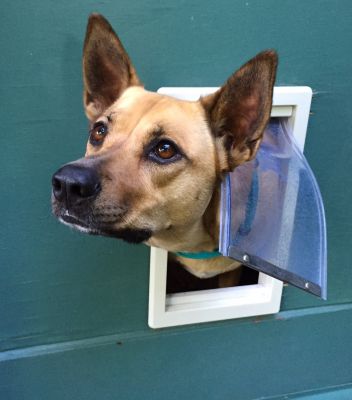
Clearly describe your dog door installation project to help compare local contractors, define scope, and set expectations in writing.
- Verify the contractor’s experience with dog door installations to ensure familiarity with different door types and wall materials. - Look for service providers who clearly define the scope of work and installation process in writing.
- Compare multiple local contractors to assess their methods and approach to ensure consistency and quality. - Confirm that the contractor assesses the installation site for structural integrity and suitability before beginning work.
- Ensure the contractor discusses any necessary modifications to existing walls or doors to accommodate the new dog door. - Check that the scope includes considerations for weatherproofing and insulation around the installation area.
- Ask the contractor to provide a detailed written estimate outlining the installation steps and materials involved. - Confirm that the contractor communicates the expected timeline and any potential disruptions during installation.
- Review the contractor’s references or portfolio to verify previous experience with similar dog door installations. - Ensure that the scope of work and expectations are clearly documented before work begins.
Compare local contractors' experience and clarify project scope to ensure successful dog door installation.
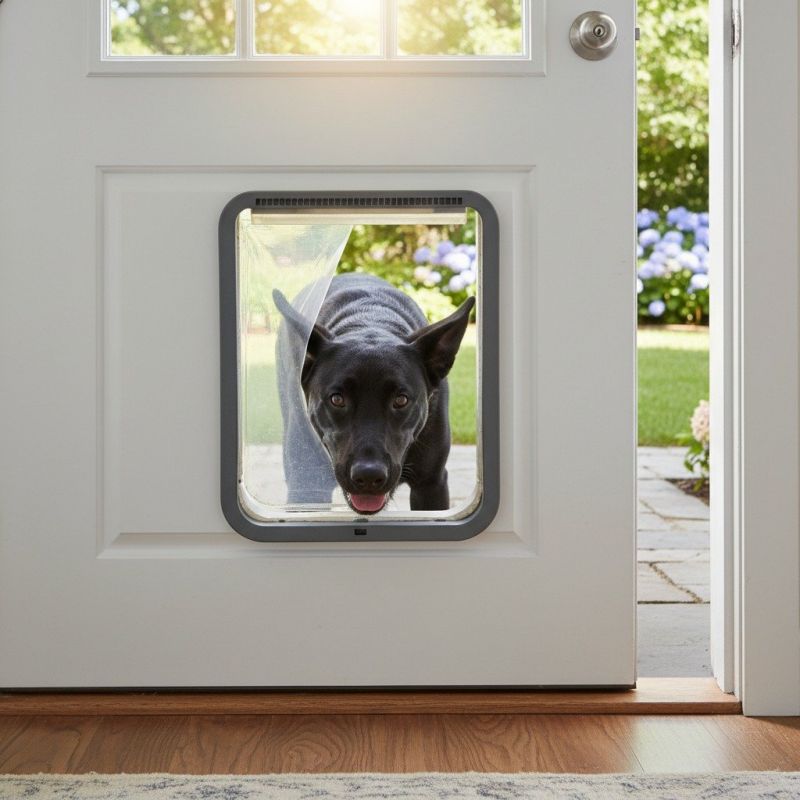
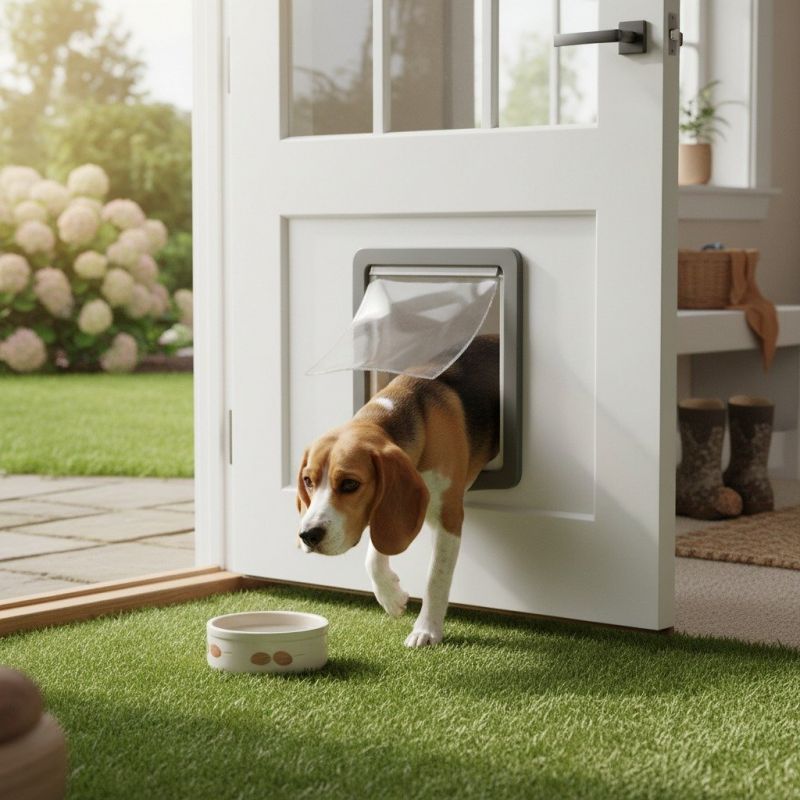
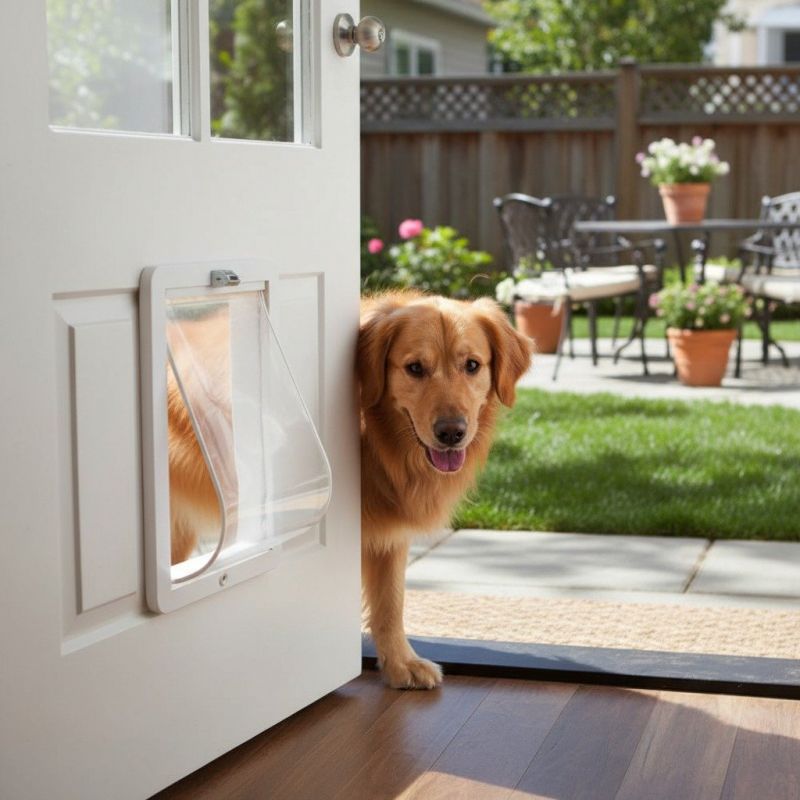

Use clear scope definitions and experience verification to ensure consistent comparisons among local service providers.
- Project Scope - Clearly define the size, type, and location of the dog door to ensure contractor understanding.
- Material Requirements - Specify preferred materials and any specific features or insulation needs for the dog door.
- Installation Details - Outline the desired installation process, including any modifications to existing structures.
- Experience and References - Verify the experience of local contractors with dog door installations and request references if available.
- Written Agreement - Ensure all scope details, expectations, and responsibilities are documented in a written agreement.
When comparing contractors for dog door installation, it’s important to assess their experience with similar projects. Homeowners should inquire about the types of doors they’ve installed in the past and whether they have worked with the specific wall or door materials present at the property. Contractors with a proven track record in handling installations comparable to the project at hand are more likely to be familiar with potential challenges and best practices, helping to ensure the work is completed smoothly and effectively.
A clearly written scope of work is essential for setting expectations and avoiding misunderstandings. Homeowners should seek contractors who can provide a detailed description of what the installation will entail, including the steps involved, materials used, and any preparation or finishing work that will be necessary. Having this information in writing helps ensure that both parties are aligned on the project’s scope and reduces the risk of surprises or scope creep as the work progresses.
Verification of a contractor’s experience can be supported by asking for references or examples of completed projects similar to a dog door installation. While formal licensing or certification may not be required, homeowners can still request contact information for previous clients or review portfolios of past work. This verification process provides insight into the contractor’s expertise, reliability, and quality of work, enabling a more informed decision when selecting a service provider.
Evaluating options without focusing on prices involves examining how contractors communicate and their approach to the project. Homeowners should compare the clarity of the scope of work, the professionalism of the proposals, and the thoroughness of the explanations provided. It’s also helpful to consider how well each contractor understands the project’s specifics and whether they ask pertinent questions. This process helps identify service providers who are detail-oriented and committed to delivering a quality installation that meets the homeowner’s expectations.
Ask contractors to provide written scope outlines to ensure clear expectations and consistent project understanding.
- Experience and Qualifications - What experience do local contractors have with dog door installation projects similar to yours?
- Scope of Work - How do contractors define and clarify the scope of the dog door installation to ensure all expectations are aligned?
- Materials and Equipment - What materials and tools will the service providers use, and are they suitable for your specific door and home?
- Warranty and Guarantees - Do local contractors provide written warranties or guarantees for their work and the materials used?
- Communication and Expectations - How will the scope, process, and any potential issues be communicated and documented throughout the project?
What should I consider when choosing a contractor for dog door installation? It's important to compare local contractors based on their experience, expertise, and reputation. Clearly define the scope of work and ensure these details are documented in writing to set proper expectations.
How can I verify a contractor’s experience with dog door installations? You can ask for examples of previous work, references, or reviews that demonstrate their familiarity with installing different types of dog doors and handling various door materials.
Why is it important to define the scope of work before hiring a contractor? Clearly outlining the project details helps prevent misunderstandings, ensures all necessary tasks are included, and provides a basis for comparing proposals from different service providers.
What questions should I ask a contractor about their installation process? Inquire about their approach to measuring, cutting, and sealing, as well as how they handle potential challenges or adjustments during installation.
How can I ensure a contractor understands my specific needs for a dog door? Communicate your requirements clearly and ask how they plan to accommodate your preferences, such as door size, location, and type of dog door, and confirm these details are documented.
What is the benefit of having a written agreement with a contractor? A written agreement helps clarify the scope, expectations, and responsibilities, reducing the risk of disputes and ensuring both parties are aligned on the project details.
Understanding the key steps involved in hiring contractors for dog door installation can help ensure the project meets expectations. Visitors learned how to clearly define the scope of work, verify the experience of service providers, and establish written agreements that outline the details of the job. This approach supports making informed comparisons among local contractors and choosing the right professional for the project.
To move forward, using the quote form allows for easy comparison of local service providers who can handle dog door installation. It offers a straightforward way to connect with qualified contractors in the area, helping to find the right match for specific needs and preferences.